
Windows & Doors In Caulfield
Windows & Doors Experts
Reliable Melbourne Carpenters Delivering Quality Workmanship for Residential, Commercial & Insurance Repair Projects.
Windows and doors are where a house lets in weather, noise and burglars, and they are also the first thing to play up when the ground moves. StickBuild Construction installs and replaces internal and external doors, timber and aluminium windows, sliding and stacker doors, and the reveals, flashings and architraves that go with them, across Melbourne's south-east. We hang doors so they lock on the day they go in, and we flash window sills properly instead of relying on a bead of silicone to do a flashing's job. We also do a lot of repair work that other trades will not touch, particularly doors that stick, drop or bind after seasonal ground movement, and rot around old timber window frames that can be repaired without replacing the whole window. If you are in a heritage overlay street we will tell you what that means before you order anything. Call 0468 347 781.
GET A FREE QUOTE
StickBuild Construction
What We Install and Repair
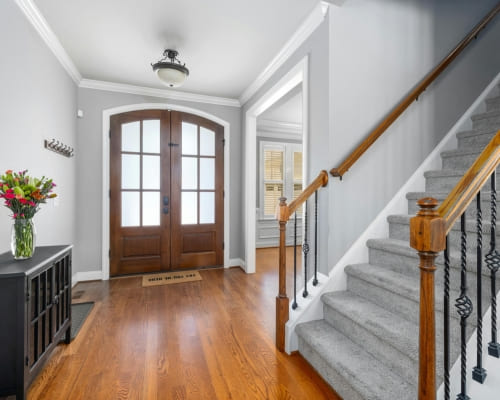
The work splits into three groups. New installation covers internal door sets, external entry doors, sliding and stacker doors, and timber or aluminium windows going into new openings or replacing existing units. Replacement covers like-for-like swaps into an existing opening, which is the majority of what people ring about, and reframed openings where the size is changing and a lintel is involved. Repair is the part most trades skip, and it is often the cheapest answer: rot cut out of a timber sill and spliced with new timber, a dropped or racked frame packed and re-squared, hinges and strike plates re-set on a door that has stopped latching, and weather seals replaced on a door that is letting the winter in. StickBuild Construction does all three across Melbourne's south-east, and on a period home the repair option is very often the one we recommend.
StickBuild Construction
Hung to Lock, Flashed to Stay Dry
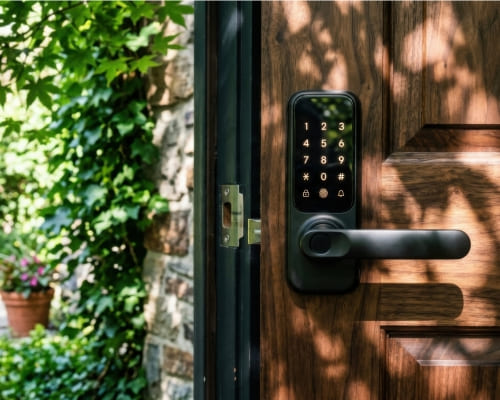
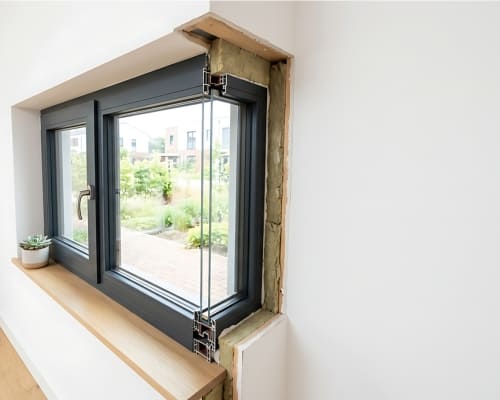
Two details decide whether a window or door install lasts. The first is that the opening has to be square and the framing sound before the unit goes in, so we check it and fix it rather than packing a new unit into a bad opening and letting the architraves hide the story. The second is flashing. An external window needs a proper sill flashing and head flashing so water that gets past the frame is directed out, and no amount of sealant substitutes for it, which is why silicone-only installs are the most common cause of rot behind a window in Melbourne. Doors get hung with the hinges set properly and the strike plate positioned so the door latches without being pushed, and we adjust them after the frame has settled rather than declaring it done at first fix. Noggings go in behind anything heavy, and where a door is in a wall we may later want a grab rail on, we say so at the time. Every opening we leave is weathertight the same day.
StickBuild Construction
Why People Call Us for the Awkward Ones
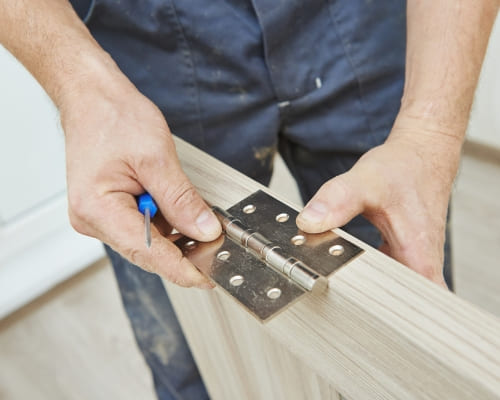
The jobs we get most are the ones other people would not take: a heritage sash window with rot in the lower rail, a door that has bound every winter for five years, a stacker that no longer runs true. These are diagnostic problems rather than replacement problems, and the answer usually costs a fraction of what a replacement quote does. We tell you which one you have got before you spend anything. You get a free site visit the same day you call, an itemised quote separating the unit, the hardware and the labour, and a carpenter on site within three days of accepting it. Umer Sharif has been working on Melbourne's period and post-war housing for over ten years, and every job carries $20 million public liability insurance under ABN 39 276 982 297. Call 0468 347 781.
StickBuild Construction
What Windows and Doors Cost in Melbourne
Internal door sets are the easiest to price and generally run $120 to $250 each installed, covering the jamb, hanging, hardware and architraves, with the door itself on top if you are not supplying it. Across a standard three-bedroom house that usually puts a full internal door replacement somewhere in the low thousands. External doors cost considerably more per opening because of the threshold detail, weather seals and locking hardware, and a quality solid entry door with good hardware installed will typically run well into four figures on its own. Window replacement is priced per opening, and a like-for-like aluminium swap into a sound existing opening is a modest job while a custom timber sash for a heritage elevation can cost several times as much. Reframing an opening to change its size adds structural work and a lintel, and that is where quotes jump. Repairs are the outlier in a good way: cutting rot out of a sill and splicing in new timber usually costs a small fraction of replacing the window, which is why we always price that option when it is viable.
StickBuild Construction
Timber, Aluminium or Double Glazing
Timber is the right answer on a period home and on any street-facing elevation in a heritage overlay, because it looks correct, it can be repaired indefinitely rather than replaced, and in an overlay it may be the only thing that gets approved. It costs more, it needs recoating, and it will move a little with the seasons. Aluminium is the practical default everywhere else: cheaper, dimensionally stable, and effectively maintenance free, with the caveat that a standard aluminium frame conducts heat and cold and will not help you with a cold room. Double glazing is worth the money in three situations, which are a main road, a room that is genuinely unusable in a Melbourne winter, and any replacement where the incremental cost over single glazing is small enough to be obvious. The choice we would push back on is putting aluminium on the front of a house in an interwar precinct to save a few hundred dollars, because it is visible from the street, it dates the house, and reversing it later costs many times the saving.
Related CARPENTRY Services
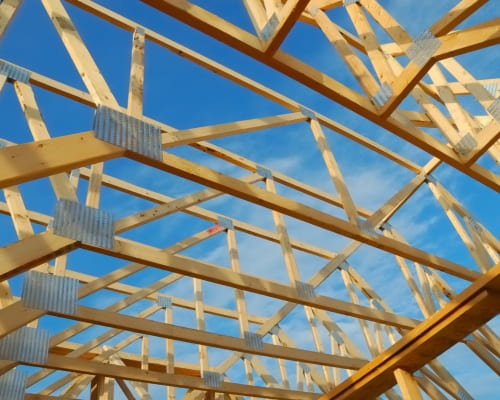
Straight, plumb, code-compliant framing for new builds, extensions and structural alterations, set out to AS 1684 and ready to pass inspection first time. We work in MGP pine, LVL and hardwood, and start within three days of your approval.
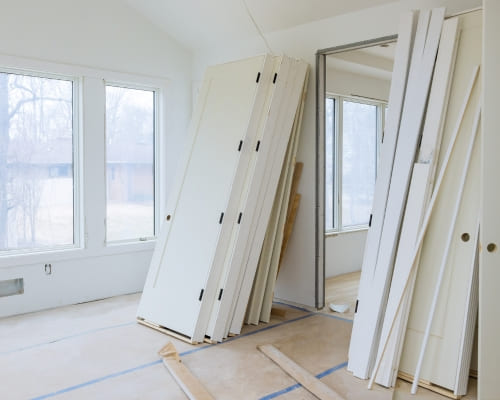
The two carpentry stages that turn a frame into a finished house: weathertight at lock-up, then doors, skirting, architraves and robes at fix. One carpenter across both stages, priced per stage, on site within three days.
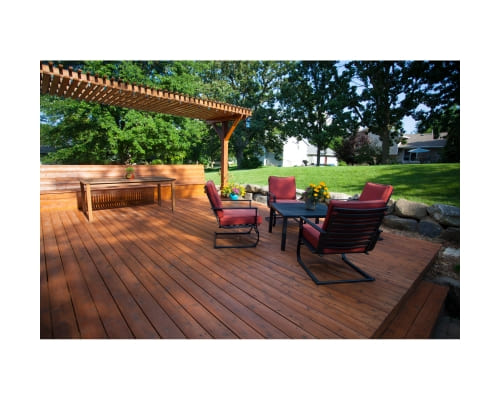
Timber and composite decks built on a substructure designed to outlast the boards: H3 and H4 timber, joists at 450mm centres, posts in stirrups on poured footings. Honest advice on merbau, spotted gum or composite, and a repair quote before a rebuild one.
TESTIMONIALS
What Our Windows & Doors Customers Say About Us
The Process
3 Step Process For Your Windows & Doors Needs

Same-Day Quote
Call or message us and we visit your site the same day, measuring the job and answering your questions on the spot.

Itemised Pricing
You receive a written quote itemising labour, materials and timber grades, so you see exactly what you are paying for before committing.

Work Starts
Accept the quote and a carpenter is on site within three days, working to agreed dates and clearing debris before we leave each afternoon.
Windows & Doors In Caulfield
FREQUENTLY ASKED QUESTIONS
Everything you need to know about our Windows & Doors In Caulfield
How much does it cost to install a door or replace a window?
Hanging an internal door set, including the jamb, hardware and architraves, generally runs between $120 and $250 per door depending on the door, the hardware and whether the opening is square. External doors cost more because of the threshold, the weather seal and the locking hardware, and a solid entry door with quality hardware can be several times an internal one. Window replacement is priced per opening and varies enormously with size, material and whether the opening needs reframing, so a like-for-like aluminium swap is a modest job while a heritage timber sash replacement is not. Removing rot around an existing frame and repairing it is almost always far cheaper than replacing the window. Call 0468 347 781 and describe the opening.
How long does the work take?
Hanging a set of internal doors through a standard house is usually a one to two day job. A single window replacement into an existing opening typically takes half a day to a day once the unit is on site, and a run of windows across an elevation takes several days. What extends it is reframing, because if the opening has to change size you are into structural work with a lintel and that is a different scope. Lead time on the units themselves is often the real delay, particularly for custom timber or double glazing, so we order early and give you the install date once the delivery date is confirmed.
Can heritage windows be replaced or do they have to be repaired?
In a heritage overlay it depends on what is visible from the street, and a lot of the streets we work in are covered by one. Glen Eira, Stonnington, Bayside and Port Phillip all carry overlays across substantial residential precincts, and replacing original timber sash windows on a street-facing elevation with modern aluminium is the kind of change that attracts a problem. The good news is that most heritage window failures are localised rot in the sill or lower rail, and that can be cut out and repaired with new timber spliced in for a fraction of the cost of replacement. We will tell you at quote stage whether we think you are in an overlay and what that means.
What happens on installation day?
We protect the floor and the surrounding area before anything comes out, because dust and offcuts travel further than people expect. The old unit comes out, we check the opening is square and the framing sound, and we repair anything rotten before the new unit goes in rather than covering it. The unit is then packed, plumbed and fixed, flashed at the sill and head where it is an external opening, and made weathertight the same day so you are never left with a hole overnight. Architraves and reveals go on, hardware is fitted and adjusted, and we test the door or window opens, closes and locks before we pack up.
Why do doors stick, drop or stop closing properly?
Usually because the house moved rather than because the door failed. Across Melbourne's south-east, Class H to Class E reactive clay soils are common in suburbs like Bentleigh, Glen Iris and Malvern East, and ground that swells through a wet winter and shrinks through a dry summer will rack a door frame out of square by enough to bind a door. Other causes are hinges that have worked loose, a jamb fixed into plaster instead of framing, swelling in an unsealed timber door, or a dropped stump under that part of the floor. We diagnose which one it is before touching the door, because planing a door to fit a frame that is still moving means doing it again next winter.
Should I choose timber, aluminium or double glazing?
Timber suits period homes and heritage streets, looks right, and can be repaired rather than replaced when it fails, but it needs recoating and it will move with the seasons. Aluminium is cheaper, dimensionally stable and effectively maintenance free, and it is the sensible default on a non-heritage house, though thermally it is the weakest unless you get a thermally broken frame. Double glazing is worth it if you are on a main road, if a room is unusable in winter, or if you are replacing anyway and the incremental cost is small. What we would not do is put aluminium on the street face of a house in a heritage precinct to save money, because that is a decision you cannot easily undo.
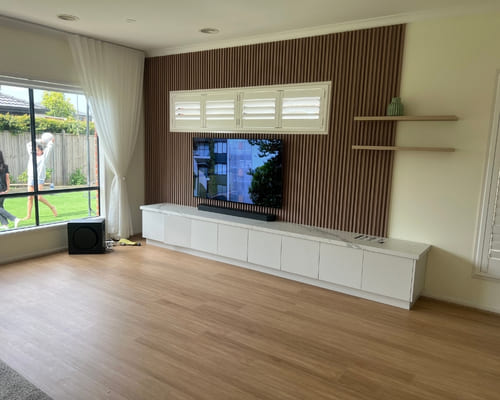
Request A Free Windows & Doors Quote
GET A FREE QUOTE
BUSINESS
SERVICES
SERVICE AREAS
OPERATING HOURS
Sun: 7:00am - 9:00pm
Mon: 7:00am - 9:00pm
Tue: 7:00am - 9:00pm
Wed: 7:00am - 9:00pm
Thu: 7:00am - 9:00pm
Fri: 7:00am - 9:00pm
Sat: 7:00am - 9:00pm