
Fencing In Caulfield
Fencing Experts
Reliable Melbourne Carpenters Delivering Quality Workmanship for Residential, Commercial & Insurance Repair Projects.
Most fences do not fail at the palings, they fail at the posts, which is why our fences go in deeper than they need to. StickBuild Construction builds and repairs timber paling, Colorbond, picket and custom feature fencing across Melbourne's south-east, along with timber and metal gates and automatic gate installations. Posts go in a minimum of 600mm deep in treated timber or steel, fences are built to the correct legal heights, and we keep driveway sight lines clear so you are not creating a problem at the crossover. We also do a lot of repair work, because a fence with two rotted posts and a lean does not need replacing end to end. If it is a boundary fence we will explain how the Fences Act works before you talk to your neighbour about splitting the cost. Same-day quote, on site within three days. Call 0468 347 781.
GET A FREE QUOTE
StickBuild Construction
Fences and Gates We Build
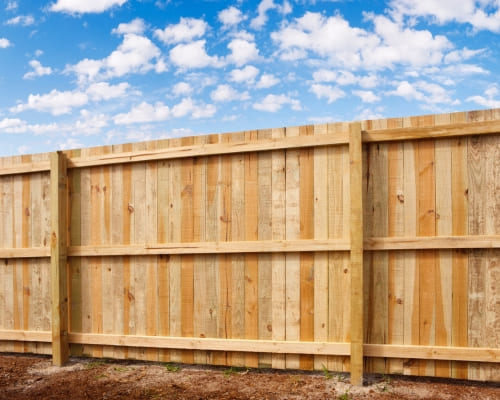
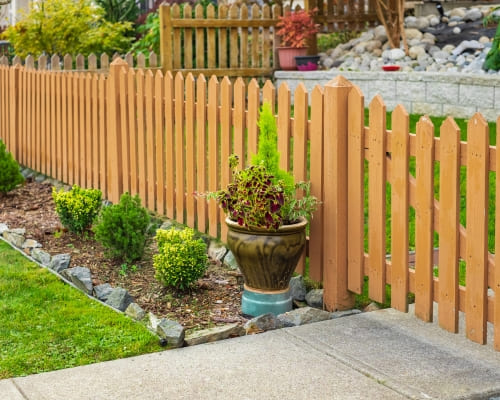
Timber paling fencing is the backbone of Melbourne's suburban boundaries, and it is what we build and repair most, usually at 1.8m with treated posts and rails and either lapped or butted palings. Colorbond fencing has taken a large share of new installs because it needs nothing done to it for decades, and it comes in the colour range most people now expect to see, with Woodland Grey and its neighbours dominating current streets. Picket fencing, front fencing and custom feature fencing are the front-of-house work, where the fence is part of the streetscape rather than just a boundary, and on heritage streets it is often the only appropriate answer. Alongside all of that we build and hang timber and metal gates, including wide double gates and vehicle gates, and install automatic gate hardware. StickBuild Construction covers all of it across Melbourne's south-east, and we repair as readily as we replace.
StickBuild Construction
Our Installation Standards
The reason fences fail is almost never the palings, so the standards that matter are all below ground and out of sight. Every post goes in to a minimum of 600mm, and deeper on taller fences, in soft ground, or where wind loading warrants it. Posts are treated timber or steel, never untreated, because an untreated post in Melbourne soil is a countdown. We set out post spacings to the fence height rather than stretching them to save a post, since spacing is what determines whether a fence flexes and eventually leans in a strong wind. Footings are concreted and allowed to cure before rails go on. We run a string line for the whole run rather than working section to section by eye, install a plinth at the base where ground levels or animals call for it, and keep the fence to the correct legal height for its position. At driveways we check the fence does not obstruct sight lines onto the footpath, because a fence that creates a blind crossover is a problem you inherit rather than solve.
StickBuild Construction
Why We Would Rather Repair Your Fence
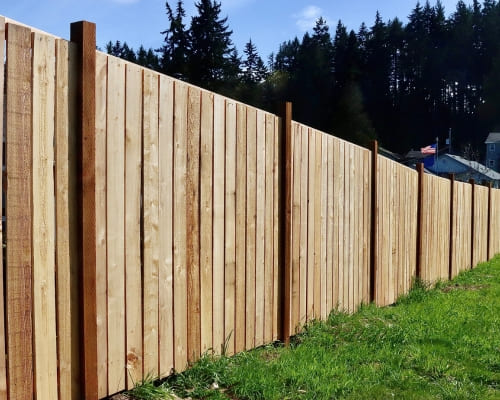
The most common call we get is somebody who has been quoted for a complete new fence when two posts have failed. A timber fence with a lean, a couple of rotted posts and some loose palings is usually repairable: we replace the failed posts, straighten and re-brace the run, re-fix the rails and swap out the palings that have gone. It costs a fraction of a replacement and it buys years. When the rails have gone as well as the posts and half the palings are soft, we will tell you a replacement is the better spend, and we will show you why rather than asking you to take it on trust. You get a free site visit the same day you call, an itemised quote you can hand straight to a neighbour for a boundary fence, and a start within three days. Every job carries $20 million public liability insurance under ABN 39 276 982 297. Call 0468 347 781.
StickBuild Construction
What Fencing Costs in Melbourne
Fencing is quoted per linear metre installed and there are three lines to it: removal and disposal of the old fence, the new fence itself, and gates. For a standard 1.8m boundary fence, timber paling is generally the most economical per metre, Colorbond usually sits a little above it once installed, and picket, custom timber or feature fencing costs considerably more because the labour per metre is much higher. A typical suburban side and rear boundary run of 30 to 40 metres commonly lands in the low thousands of dollars for either timber paling or Colorbond, before gates. A standard single pedestrian gate is a modest addition, while a wide double vehicle gate is a significant cost in its own right, and automating it adds hardware, a power supply and commissioning on top. Removal and tip fees for an old fence are real money and we itemise them rather than absorbing them into the rate. Ground conditions matter too, since rock, tree roots, existing footings or a site we cannot get machinery onto all add labour. On a boundary fence, remember the cost is usually shared, so the figure you personally pay is often half of the quote.
StickBuild Construction
Timber Paling or Colorbond
Timber paling wins on up-front cost, on matching what the rest of your street already has, and on repairability, since a single failed paling or post can be swapped out cheaply for the life of the fence. It loses on maintenance, because it will grey, it will eventually rot at ground level, and it wants attention every few years if you care how it looks. Colorbond wins on longevity and on not having to think about it, since it will not rot, it does not need coating, and the modern colour range is what most buyers now expect to see in a suburban backyard. It loses on repairability, because a dented or damaged panel is difficult to replace invisibly, and on cost at installation. On a front boundary in a heritage overlay street, neither is likely to be right, and a matched picket or timber fence is usually what the streetscape and the council both want. The practical questions are what your neighbour has, how long you intend to stay, and whether you will maintain timber. If the answer to the last one is no, pay the extra for Colorbond.
Related CARPENTRY Services

Straight, plumb, code-compliant framing for new builds, extensions and structural alterations, set out to AS 1684 and ready to pass inspection first time. We work in MGP pine, LVL and hardwood, and start within three days of your approval.
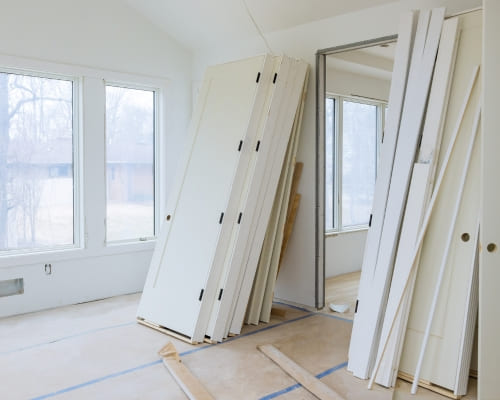
The two carpentry stages that turn a frame into a finished house: weathertight at lock-up, then doors, skirting, architraves and robes at fix. One carpenter across both stages, priced per stage, on site within three days.
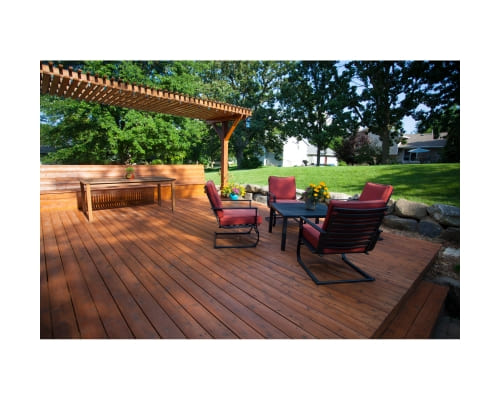
Timber and composite decks built on a substructure designed to outlast the boards: H3 and H4 timber, joists at 450mm centres, posts in stirrups on poured footings. Honest advice on merbau, spotted gum or composite, and a repair quote before a rebuild one.
TESTIMONIALS
What Our Fencing Customers Say About Us
The Process
3 Step Process For Your Fencing Needs

Same-Day Quote
Call or message us and we visit your site the same day, measuring the job and answering your questions on the spot.

Itemised Pricing
You receive a written quote itemising labour, materials and timber grades, so you see exactly what you are paying for before committing.

Work Starts
Accept the quote and a carpenter is on site within three days, working to agreed dates and clearing debris before we leave each afternoon.
Fencing In Caulfield
FREQUENTLY ASKED QUESTIONS
Everything you need to know about our Fencing In Caulfield
How much does fencing cost per metre in Melbourne?
Fencing is quoted per linear metre installed, and the two big variables are material and what has to be removed first. Timber paling is generally the most economical for a standard 1.8m boundary fence, Colorbond typically sits a little above it, and picket, custom timber and feature fencing cost considerably more per metre because there is far more labour in them. Removing and disposing of an existing fence adds to every job. Gates are priced separately, and a wide double gate or an automated gate is a substantial cost on its own. A typical suburban side and rear boundary will usually land in the low thousands for timber paling or Colorbond. Call 0468 347 781 and we will measure it.
How long does a fence take to install?
A standard suburban boundary run of 20 to 40 metres is usually installed over two to three days, with post concrete needing time to cure before the rails and palings go on. Removal of an old fence adds half a day to a day depending on what it is and how it comes out. Colorbond goes up faster than timber paling once the posts are in. Retaining, level changes, difficult access and any need to work from a neighbour's side all extend it. Gates and automation are usually a separate visit after the fence is complete.
Who pays for a boundary fence in Victoria?
Under the Fences Act 1968, the cost of a sufficient dividing fence on a common boundary is generally shared equally between the two adjoining owners, and the process starts with a written fencing notice to your neighbour setting out what is proposed. If you want something better than a sufficient fence, you generally pay the difference. Disputes and neighbours who will not engage have their own process, and we are carpenters rather than lawyers, so we will explain how it usually works and point you to the Dispute Settlement Centre of Victoria if it gets difficult. What we will do is give you a properly itemised quote you can hand to your neighbour, which removes most of the argument.
What does the installation actually involve?
We start by confirming the line, checking levels along the run and identifying anything in the way, including tree roots, services and existing footings. Posts are set out at correct spacings and dug to a minimum of 600mm, deeper on tall fences and in soft ground, then concreted and left to cure. Rails go on next, then palings or Colorbond sheets, with a plinth at the base where ground levels call for it and capping on top where the design includes it. We keep the run straight with a string line rather than by eye, and we check the fence does not obstruct sight lines at a driveway. Old fencing and offcuts leave with us.
Why do fences lean, rot or fall over?
Posts, nearly every time. The usual causes are posts that were not set deep enough, untreated or under-treated timber posts sitting in wet ground, water pooling at the base of the run because the ground drains toward the fence, and wind loading on a tall fence with posts spaced too far apart. In the older suburbs we work in, mature street trees are a further factor, because root systems lift and displace posts and footings over time, which is a real issue in Brighton East and other suburbs with a heavy established canopy. Catching it early usually means replacing one or two posts and straightening and re-fixing the rest of the run.
Should I choose timber or Colorbond?
Timber paling is the more economical option up front, it is what most Melbourne suburbs already have so it will match your neighbours, and individual palings and posts can be replaced cheaply as they fail. It does need maintenance, and it will grey off and eventually rot at the base. Colorbond costs a little more installed, is essentially maintenance free, will not rot, and comes in a range of colours including the greys that dominate current suburban fencing, but a damaged panel is harder to patch invisibly and it dents. On a heritage streetscape neither is necessarily right, and a picket or matched timber fence may be the only appropriate answer. Consider what the neighbours have, how long you plan to stay, and whether you want to maintain it.
Request A Free Fencing Quote
GET A FREE QUOTE
BUSINESS
SERVICES
SERVICE AREAS
OPERATING HOURS
Sun: 7:00am - 9:00pm
Mon: 7:00am - 9:00pm
Tue: 7:00am - 9:00pm
Wed: 7:00am - 9:00pm
Thu: 7:00am - 9:00pm
Fri: 7:00am - 9:00pm
Sat: 7:00am - 9:00pm