Skirting & Architraves In Caulfield
Skirting & Architraves Experts
Reliable Melbourne Carpenters Delivering Quality Workmanship for Residential, Commercial & Insurance Repair Projects.
Skirting and architraves are the trim that decides whether a renovated room reads as finished or nearly finished. StickBuild Construction supplies and installs skirting boards, architraves, window reveals and decorative mouldings across Melbourne's south-east, in MDF, primed pine and solid timber, and we can match an original profile on a period home rather than fitting whatever the yard stocks. The difference between a good trim job and a poor one is entirely in the joints, so we scribe internal corners instead of gap-filling them, mitre externals properly, and fix into framing rather than into plasterboard so nothing works loose after the first summer. On heritage homes across Elsternwick, Armadale and Malvern East we regularly have profiles custom run to match what is already in the house. Same-day quote, itemised per linear metre, on site within three days. Call 0468 347 781.
GET A FREE QUOTE
StickBuild Construction
Profiles, Heights and What Goes Where
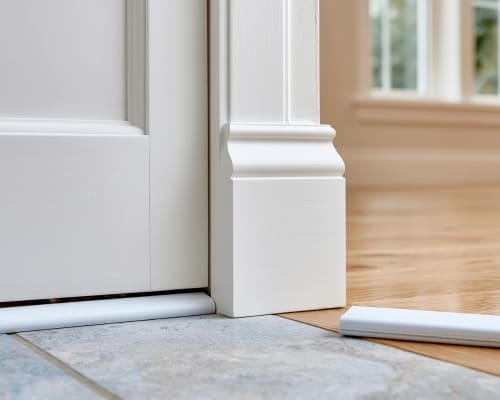
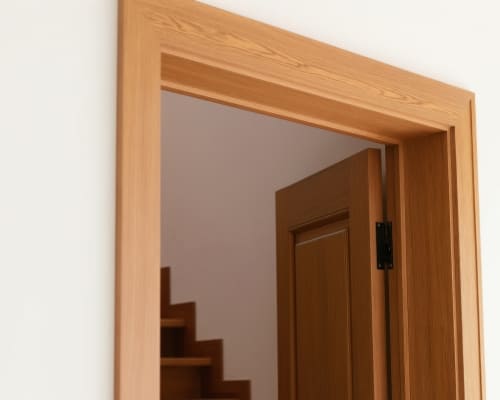
Trim is one of the few carpentry decisions people make on looks alone, and it is worth knowing the vocabulary before you choose. Skirting comes in standard heights of roughly 67mm, 92mm and 138mm, and period homes across Melbourne's inner south-east frequently run taller again. Profile is the shape of the face: square-set and simple bevel for contemporary rooms, and colonial, bullnose, splayed and lambs tongue on Edwardian, Federation and interwar homes. Architraves frame doors and windows and generally pick up the same profile family as the skirting, though they do not have to match it exactly. Beyond those two, the work also covers window reveals, decorative mouldings, picture rails and the cornice junctions where trim meets ceiling. StickBuild Construction supplies and installs all of it in MDF, primed pine and solid timber, and on a period home we can have a profile custom run to match what is already in the house.
StickBuild Construction
The Joints Are the Job
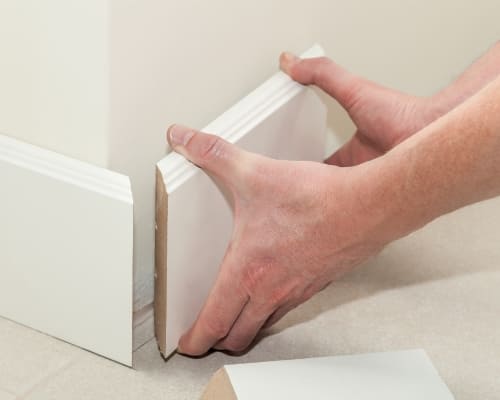
Anyone can cut a length of skirting. The reason a trim job looks expensive or cheap is entirely in how the joints are handled, and in an older Melbourne house almost no wall is truly square, so the technique matters more here than it would in a new build. We scribe internal corners, which means cutting one length to the exact profile of the other rather than mitring both and filling the gap, because a scribed corner stays closed when the wall moves and a mitred one opens. External corners are mitred and glued. Long runs are joined with a scarf joint cut at an angle so the join tightens rather than gaps. Material comes on site and acclimatises before installation, because trim taken straight off a cold truck into a heated house will shrink and open every joint you just cut. Everything is fixed into framing where framing exists, nails are punched and filled, and the top edge is caulked so the painter inherits a clean line. Set-out is planned so joins land where you will not look at them.
StickBuild Construction
Why Period Homes in the South-East Come to Us
The reason we get called for trim work in Elsternwick, Armadale, Malvern East and Ormond is profile matching. Interwar and Edwardian houses in these suburbs have deep skirtings and distinctive profiles that no stock board replicates, and a renovation that fits a modern square-set board beside original lambs tongue is visible in every photo of the room forever. We take a profile off an existing length, find the closest match, and where nothing matches we have one run. It costs more and it is the entire point. You get a free site visit the same day you call, a quote itemised per linear metre and per door set, and a carpenter on site within three days of accepting. Umer Sharif has been trimming Melbourne homes for over ten years, and every job carries $20 million public liability insurance under ABN 39 276 982 297. Call 0468 347 781.
StickBuild Construction
What Skirting and Architraves Cost
Skirting is quoted per linear metre supplied and installed, and material and height drive the rate. Primed MDF in a standard 67mm or 92mm profile is the most economical option, primed pine costs more, and solid timber or a custom-run heritage profile can be several times the MDF rate per metre. Architraves are priced per door or window set. For a typical three-bedroom Melbourne house, replacing all skirting and architraves in MDF generally lands somewhere in the low-to-mid thousands of dollars installed, while the same house in solid timber or matched heritage profiles moves well beyond that, and a custom-run profile carries a set-up cost before a single metre is delivered. Three things people forget to budget for are removing and disposing of the old trim, making good the wall behind it where the old skirting has left damage, and painting, which is usually a separate trade. We itemise each of those rather than folding them into a single number, so you can take any of them out of our scope if you want to handle them yourself.
StickBuild Construction
MDF, Primed Pine or Solid Timber
MDF is the right choice for most painted trim in a modern house. It is dimensionally stable, it is cheap, it takes paint better than timber because it has no grain to raise, and it is available in every profile. Its one genuine weakness is water: MDF that gets wet swells and never recovers, so it does not belong in a bathroom, a laundry, or against a wall with a known damp issue. Primed pine costs more, tolerates the occasional splash, and is the compromise choice for wet-adjacent rooms. Solid timber is what you need in two situations: when the trim is being stained or clear-finished so the grain is on show, and when you are matching original work in a period home where MDF simply will not read correctly next to hundred-year-old timber. On profile, the safest rule in an older house is to match what is already there rather than introducing a competing style, and in a contemporary renovation to pick one profile family and carry it through every room rather than changing it at the hallway.
Related CARPENTRY Services
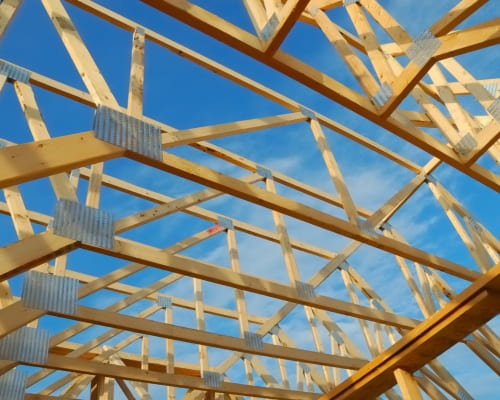
Straight, plumb, code-compliant framing for new builds, extensions and structural alterations, set out to AS 1684 and ready to pass inspection first time. We work in MGP pine, LVL and hardwood, and start within three days of your approval.
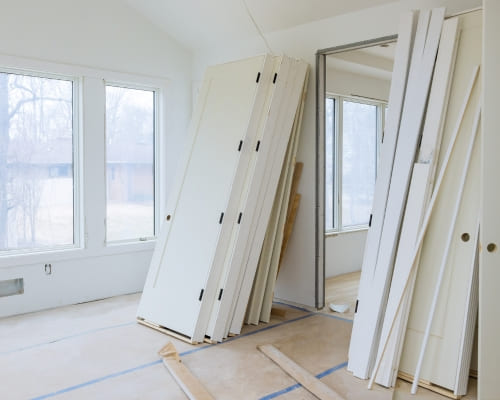
The two carpentry stages that turn a frame into a finished house: weathertight at lock-up, then doors, skirting, architraves and robes at fix. One carpenter across both stages, priced per stage, on site within three days.
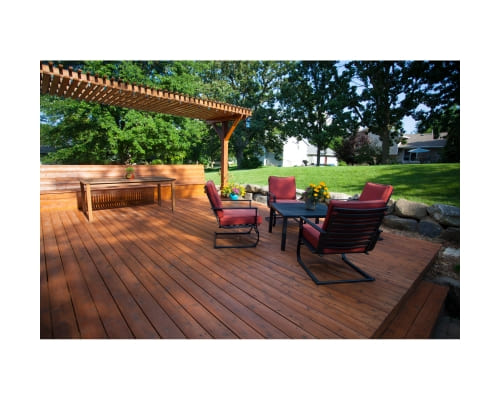
Timber and composite decks built on a substructure designed to outlast the boards: H3 and H4 timber, joists at 450mm centres, posts in stirrups on poured footings. Honest advice on merbau, spotted gum or composite, and a repair quote before a rebuild one.
TESTIMONIALS
What Our Skirting & Architraves Customers Say About Us
The Process
3 Step Process For Your Skirting & Architraves Needs

Same-Day Quote
Call or message us and we visit your site the same day, measuring the job and answering your questions on the spot.

Itemised Pricing
You receive a written quote itemising labour, materials and timber grades, so you see exactly what you are paying for before committing.

Work Starts
Accept the quote and a carpenter is on site within three days, working to agreed dates and clearing debris before we leave each afternoon.
Skirting & Architraves In Caulfield
FREQUENTLY ASKED QUESTIONS
Everything you need to know about our Skirting & Architraves In Caulfield
How much does skirting and architrave installation cost?
Skirting is priced per linear metre supplied and installed, and the rate depends mostly on material and height. Primed MDF in a standard 67mm or 92mm profile is the cheapest, primed pine sits above it, and solid timber or a custom-run heritage profile costs a multiple of both. Architraves are priced per door or window set rather than per metre, and a set is usually a similar order of cost to a couple of metres of skirting. Across an average three-bedroom house, replacing all skirting and architraves generally lands in the low-to-mid thousands for MDF and considerably more for solid timber or matched heritage profiles. Removal and disposal of the old trim, and making good the wall behind it, are separate lines we itemise rather than bury.
How long does it take to do a whole house?
A standard three-bedroom house takes about three to five days for skirting and architraves, and that surprises people because it looks like a quick job. It is not, because almost every wall in an older Melbourne home is slightly out of square, and doing it properly means scribing rather than gapping. Painting is on top of that and is usually a separate trade unless you are having pre-primed material installed and touched up. A single room is normally a day. We give you a working-day estimate at quote and we do not leave a house half-trimmed over a weekend.
Can you match the original profile in a period home?
Yes, and on a heritage home it is the whole job. Interwar and Edwardian houses across Elsternwick, Armadale, Ormond and Malvern East typically have deeper skirting and distinctive profiles that no modern stock board matches, and fitting a modern square-set board next to an original lambs tongue looks wrong immediately. We take a profile off an existing length, source the closest match, and where nothing matches we have a profile custom run. It costs more and it is the difference between a repair that disappears and one that announces itself in every photograph of the room.
What does the installation actually involve?
We start by measuring and setting out, working out where joins will fall so they land in the least visible places rather than in the middle of the wall you look at from the sofa. Material is brought on site and left to acclimatise before it goes up, because trim installed straight off a cold truck into a heated house will shrink and open its joints. Internal corners are scribed, external corners mitred and glued, and lengths joined with a scarf rather than a butt so the join does not open up. Everything is fixed into framing where possible, brad-nailed and punched, and we fill nail holes and caulk the top edge ready for the painter. Offcuts and dust leave with us.
Why do gaps open up at the corners and joins?
Three reasons, and only one of them is workmanship. The first is timber movement, which happens when trim was installed without acclimatising and then dried out in a heated house. The second is house movement, and across the reactive clay soils common in Bentleigh, Glen Iris and Malvern East a wall that shifts seasonally will open a mitre no matter how well it was cut. The third is butt joints and gap-filled internal corners, which look fine on day one and open on day one hundred, and that one is avoidable with scribes and scarf joints. We build in the first two and eliminate the third.
Should I use MDF, pine or solid timber, and which profile?
MDF is the sensible default for a painted finish in a modern house: it is stable, cheap, takes paint beautifully and comes in every profile, and its only real weakness is that it swells badly if it ever gets wet, so keep it out of bathrooms and laundries. Primed pine costs more and handles the odd splash better. Solid timber is what you want if the trim is being stained or clear-finished, or if you are matching original work in a period home. On profile, square-set and simple bevelled boards suit contemporary interiors, while colonial, bullnose and lambs tongue belong on period homes, and the safest rule in an older house is to match what is already there rather than introducing a second style.
Request A Free Skirting & Architraves Quote
GET A FREE QUOTE
BUSINESS
SERVICES
SERVICE AREAS
OPERATING HOURS
Sun: 7:00am - 9:00pm
Mon: 7:00am - 9:00pm
Tue: 7:00am - 9:00pm
Wed: 7:00am - 9:00pm
Thu: 7:00am - 9:00pm
Fri: 7:00am - 9:00pm
Sat: 7:00am - 9:00pm